RetroPhotoFix uses purpose-built models to repair scratches, restore faded colors, and recover detail in damaged or low-resolution photographs — without the artificial polish.
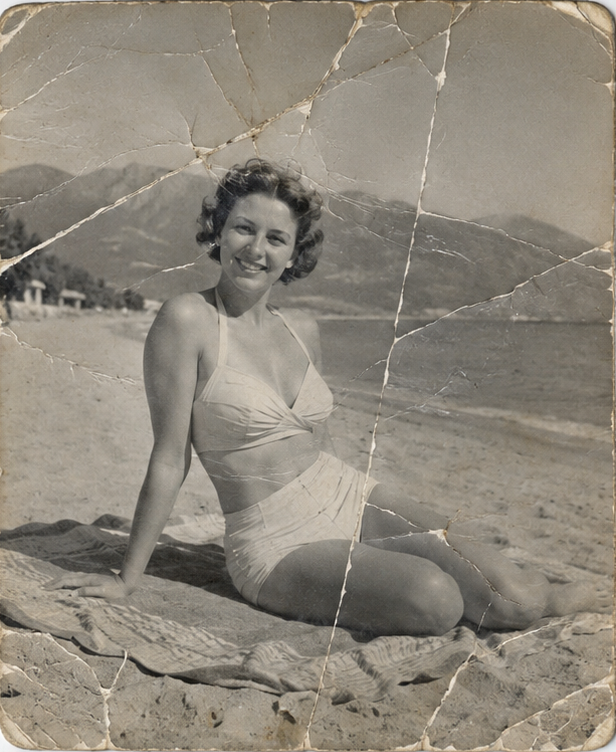
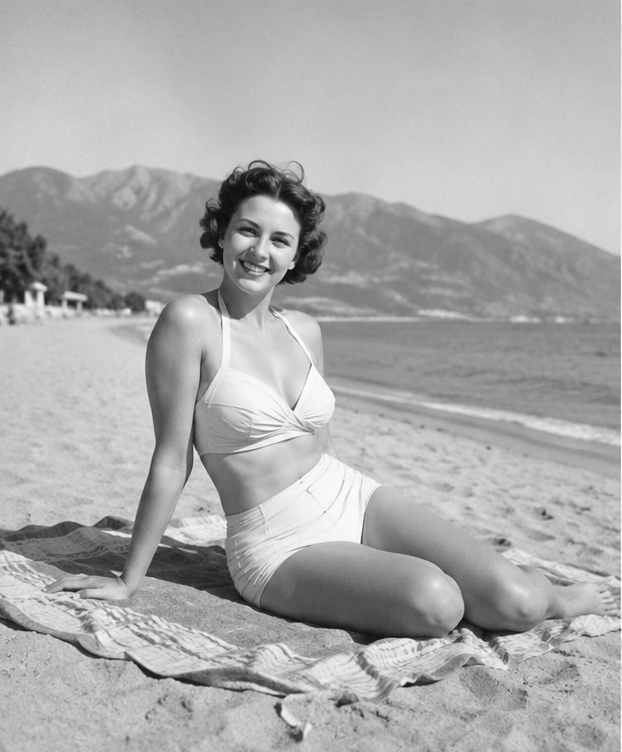
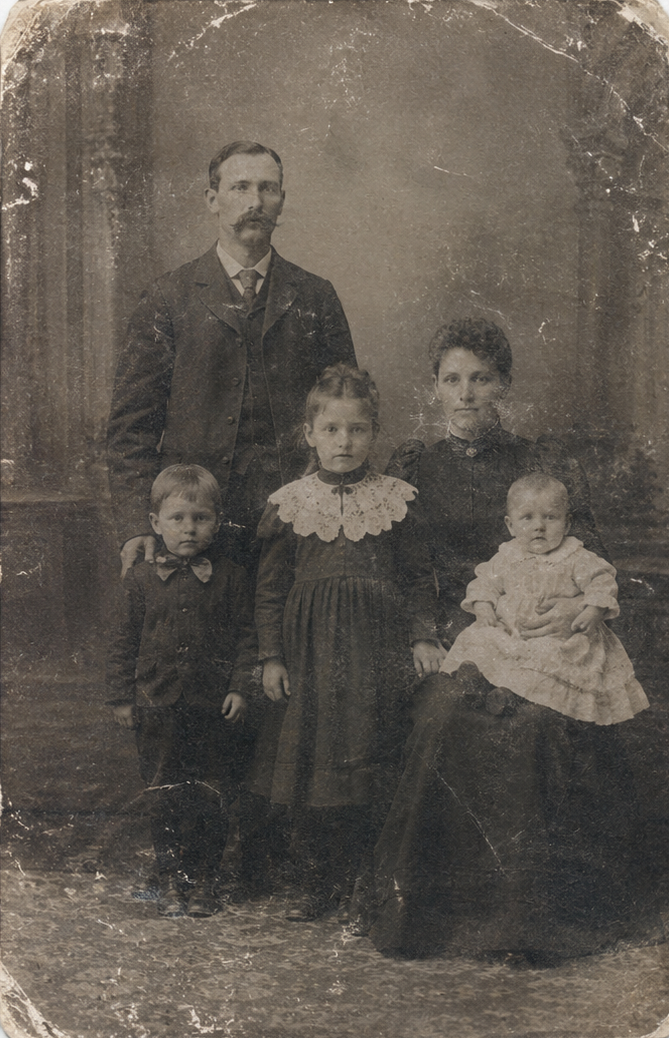
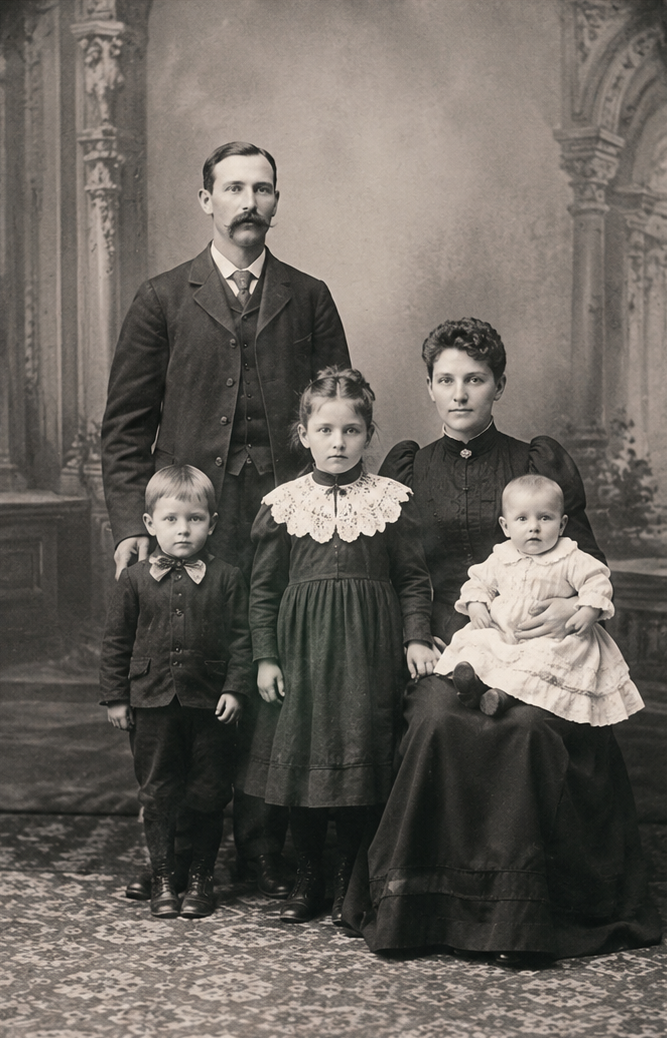
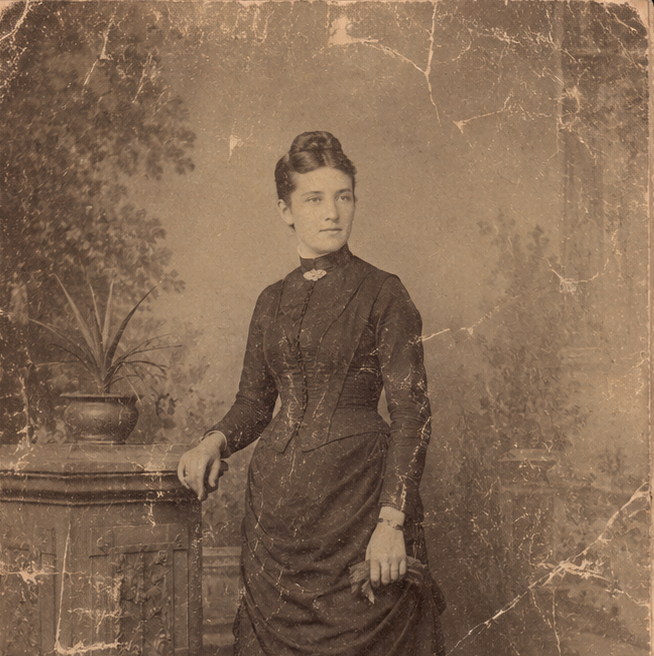
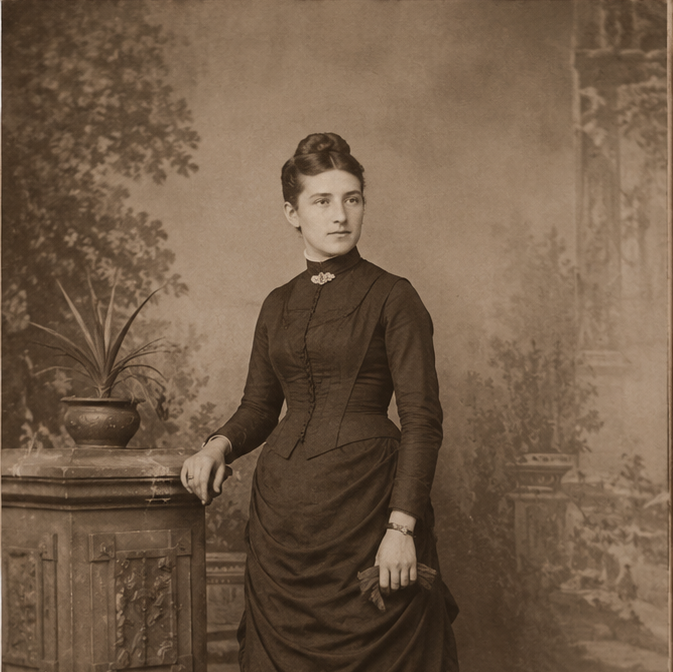
A few examples from our test set. Restorations were produced end-to-end by our models, without manual retouching.


Scratches removed, faded silver tones recovered, background reconstructed from limited surviving detail.


Sepia tones preserved with original character. Resolution increased 4× while keeping period-accurate film grain.
Drop a photograph. Our pipeline detects damage type, picks the right model, and returns a high-resolution restoration in seconds.
JPEG, PNG, HEIC, or TIFF. Up to 50 MB per file. Originals never leave the processing region.
Damage detection picks restoration, colorization, and super-resolution paths. No sliders, no presets.
Full-resolution output, original aspect ratio, side-by-side comparison. Your file, our processing.
Each capability runs as an independent model trained on archival imagery. Use them individually or let the pipeline decide.
Removes physical damage — scratches, creases, dust spots, water stains — while preserving authentic grain.
Brings back faded tones in color photographs without oversaturation. Works on prints, slides, and negatives.
Reconstructs detail in low-resolution scans without inventing features. Optimized for human faces and fabric.
Period-aware colorization based on era of origin. Optional — your choice whether to keep the original look.
We're testing with a small group of archivists and family historians.
Sign in to continue